



Reliable Medical

Complete Healthcare

Serving Hospitals

Professional Assistance
Gearing up something amazing for you…
Still waiting? Magic takes a moment! ✨
Spectrum Medical provides trusted healthcare solutions, quality medical products, and reliable services for better patient care.


| Product Details | ||||||||||||||||
|---|---|---|---|---|---|---|---|---|---|---|---|---|---|---|---|---|
|
Alternative For This Product
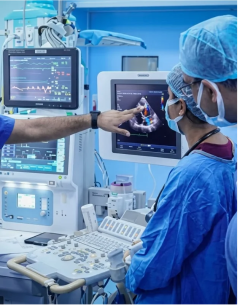
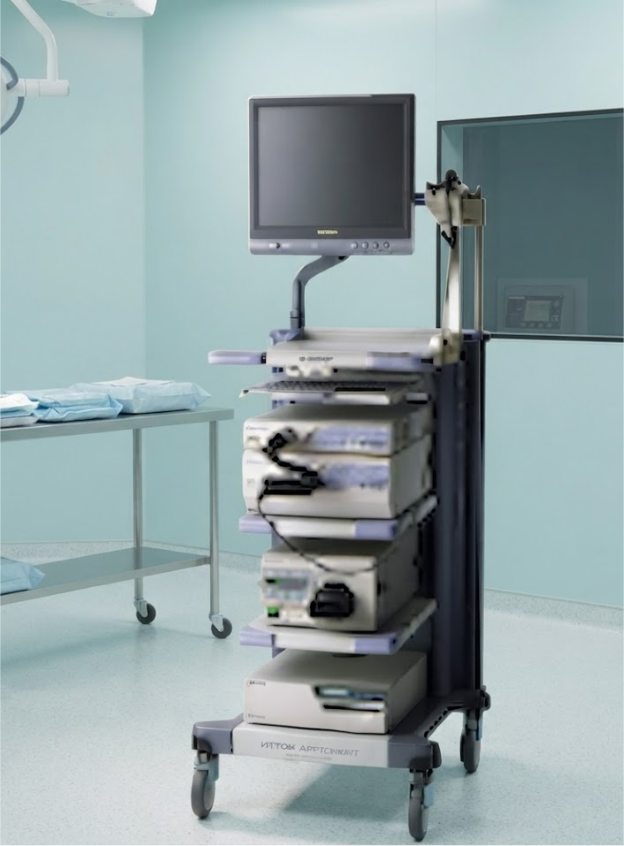
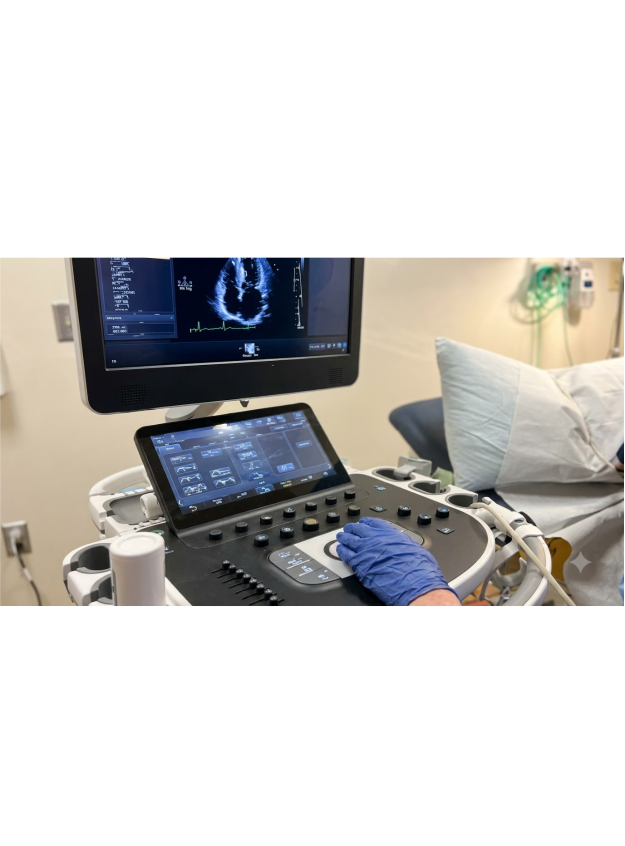
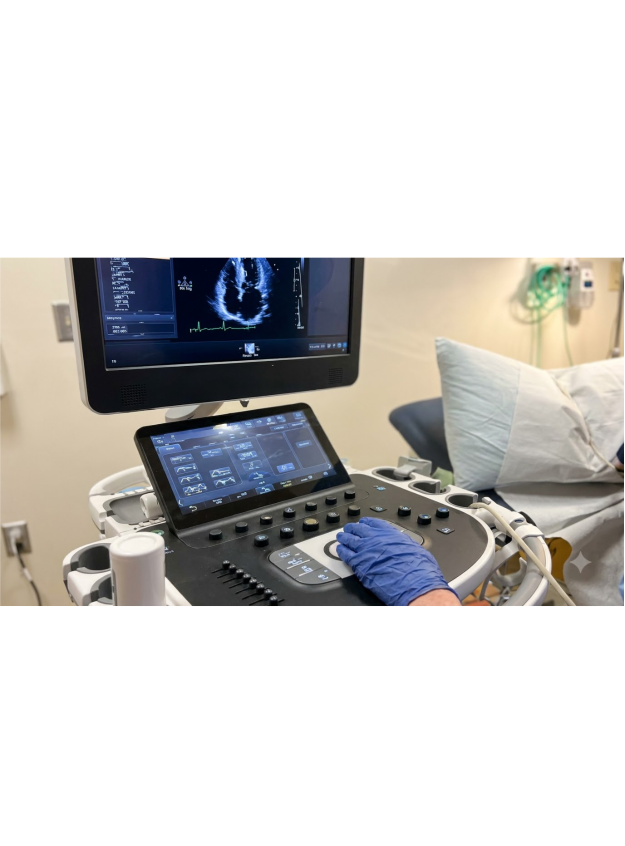
An Echocardiogram (Echo) is a non-invasive cardiac imaging examination that uses high-frequency ultrasound waves to produce real-time images of the heart. It enables healthcare professionals to visualize the heart's chambers, valves, walls, and overall movement, helping assess cardiac structure and function.
Modern echocardiography systems can provide multiple imaging modes, including 2D imaging, M-Mode, and Doppler, depending on the equipment configuration. Doppler technology allows clinicians to evaluate the direction and velocity of blood flowing through the heart and its valves. A specialized cardiac transducer sends and receives ultrasound signals, while the system processes these signals into detailed images displayed on a high-resolution medical monitor.
Echocardiography is widely used in hospitals, cardiology departments, diagnostic centers, and cardiac clinics. It can support the assessment of heart pumping function, valve movement, chamber size, blood-flow patterns, and other cardiac characteristics.
The system may also provide features such as digital image storage, measurement tools, reporting capabilities, and connectivity for clinical documentation. Echocardiography does not use ionizing radiation and is commonly used as part of cardiac evaluation. Proper equipment operation, patient positioning, transducer handling, and interpretation by qualified healthcare professionals are important for obtaining reliable clinical information.
| Product Details | ||||||||||||||||
|---|---|---|---|---|---|---|---|---|---|---|---|---|---|---|---|---|
|